What Should a Digital Property Inspection Report Include?
What Should a Digital Property Inspection Report Include?
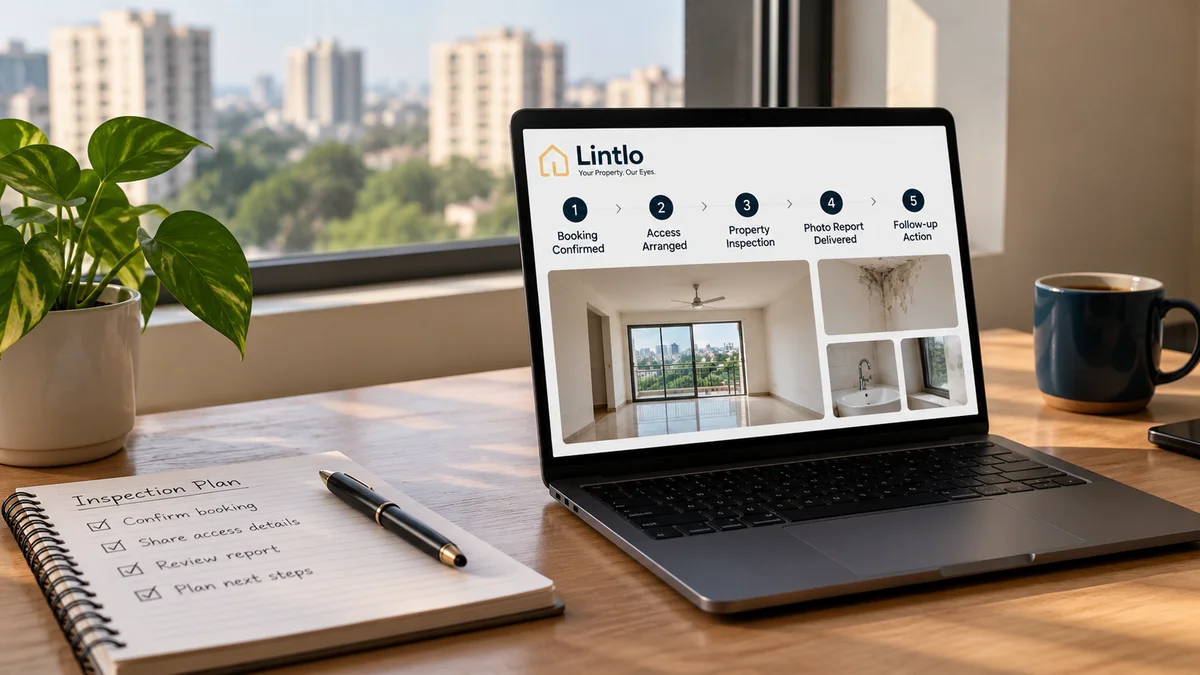
When you cannot visit your property in person, a digital inspection report can help you understand what was observed during a property visit.
But a report should do more than present a collection of photographs. It should explain when the visit took place, which areas were observed, what visible concerns were noticed and which matters may need further attention.
For homeowners in Hyderabad, particularly those living in another city or country, clear documentation can make property-care decisions easier to organise.
Here is what to look for in a useful digital property inspection report.
1. Property and Visit Details
The report should identify the property being inspected and the date of the visit.
Depending on the service, useful details may include:
Property reference or address
Date of inspection
Type of visit
Areas included in the agreed scope
Relevant access limitations
These details help you distinguish one report from another, especially if you arrange inspections periodically.
For privacy, property reports should be shared only with authorised recipients through an appropriate communication method.
2. A Clear Record of Areas Observed
A report should make it reasonably clear which areas were visited and observed.
For a visual property inspection, these might include accessible rooms, walls, ceilings, floors, doors, windows and visible fixtures.
A simple room-by-room structure can help owners understand the report without repeatedly asking where each photograph was taken.
For example:
Living room
General visible condition
Relevant photographs
Observations requiring attention, if any
Kitchen
Accessible surfaces and visible fixtures
Relevant photographs
Observations requiring attention, if any
Bathrooms
Accessible surfaces and visible fixtures
Signs of apparent leakage or moisture, where observed
Relevant photographs
The exact coverage depends on the agreed scope and what the inspector can access during the visit.
3. Dated Photographs and Videos
Photographs provide visual context that a short written description may not.
A useful report should include clear images of relevant observations, with enough context to understand which part of the property is shown.
Where possible, photographs should be dated or associated clearly with the visit.
For ongoing property care, consistently photographing the same accessible areas can help you compare their visible appearance over time.
However, images have limitations. A photograph cannot establish every underlying cause, reveal all concealed defects or prove that a technical system is functioning correctly.
Use photographs as documentation of observable conditions, not as a substitute for specialist assessment when needed.
4. Specific Written Observations
Photographs are more useful when accompanied by clear explanations.
Instead of writing only “problem in bathroom,” a report might describe an observable condition such as “visible damp patch on the wall beside the washbasin.”
The wording should distinguish what was observed from what is suspected.
For example:
Observation: A visible water stain appears on the ceiling.
Possible next step: Arrange further assessment to identify the cause.
The observation is what the report documents. The cause may remain unknown until further investigation.
Avoid reports that make unsupported claims about structural safety, hidden plumbing, electrical condition or other technical matters outside the inspection scope.
5. A List of Issues Requiring Attention
If visible concerns are identified, the report should list them in an organised way.
A useful issue record may include:
Description of the visible concern
Area where it was observed
Relevant photograph
Suggested next step, where appropriate
Whether further professional assessment may be required
You can then decide which issues need quotations, specialist assessment or maintenance.
If an issue appears urgent or potentially dangerous, arrange suitable assistance promptly. Do not wait for the next routine visit simply because it has not yet been added to a report.
6. Areas That Could Not Be Accessed
A report should not create the impression that every part of the property was checked if that was not the case.
Access may be limited by locked rooms, unavailable keys, restricted areas or other practical circumstances.
Where relevant, the report should state which areas could not be accessed or observed.
This distinction matters because a lack of reported concerns in an inaccessible area does not establish that the area is free from defects.
Clear access notes help you decide whether another visit or a different type of assessment is needed.
7. Recommended Next Steps
A useful report should help you understand what to do next without presenting every observation as an emergency.
Depending on the findings, next steps may include:
Monitoring a minor visible change during a future visit
Requesting a quotation for a known maintenance task
Arranging a qualified professional's assessment
Scheduling cleaning or other suitable services
Planning a follow-up visual visit after reported repairs
Recommendations should be proportionate to the evidence. A visual inspection may identify a concern, but technical diagnosis and repair decisions may require additional expertise.
8. Follow-Up Records
If you arrange another visit, keep the new report alongside the earlier one.
For example, if a visible damaged fitting was documented before repair, a follow-up report may record its appearance after the work.
This creates a useful history of observations and subsequent changes.
A follow-up visual report does not independently certify repair quality or guarantee that the underlying issue has been permanently resolved.
Keep relevant quotations, invoices and communications separately as part of your overall property record.
9. A Practical Digital Report Checklist
Before accepting a report, check whether it contains the details relevant to your service.
Property reference and visit date
Areas observed
Clear photographs of relevant conditions
Written descriptions of visible concerns
Notes about inaccessible areas
Suggested next steps, where appropriate
Any agreed follow-up requirements
Clear distinction between observations and confirmed findings
Not every service will use the same report format. The important point is that the report should match the agreed inspection scope and provide information you can actually use.
How Lintlo Supports Digital Property Documentation
Lintlo offers scheduled visual property inspections and home-readiness assessments for residential properties in Hyderabad.
Depending on the selected service, owners can arrange a visit and receive documentation of visible conditions to support their property-care decisions.
The packages include:
Lintlo Check — ₹1,499 per visit: A one-time visual inspection and report for eligible residential properties up to 1,500 sq. ft.
Lintlo Ready — ₹1,999 per service: A home-readiness assessment for planned owner or tenant move-in.
Lintlo Care — ₹2,499 per package: Two visits within two months to document known issues and visually check their status after repairs.
Confirm the report format, coverage and current service details before booking. These services focus on visible conditions and do not replace specialist technical assessments, certifications or repair work.
Maintenance coordination may be available separately, subject to availability, quotation and your approval.
Learn more at Lintlo.
Frequently Asked Questions
Are digital property inspection reports reliable?
Their usefulness depends on the inspection scope, quality of observations and clarity of documentation. A report should accurately describe what was observed and identify relevant limitations.
Can a digital report replace an in-person inspection?
A report documents the findings of a visit; it does not replace the visit itself. If nobody has inspected the property in person, photographs alone may provide only limited information.
Should a report include every room?
It should identify the areas covered by the agreed service and note relevant areas that could not be accessed. The required coverage depends on the property's needs and the inspection scope.
Can an inspection report confirm that repairs were completed correctly?
A visual follow-up can document the observable condition after reported repairs. It does not independently certify workmanship or guarantee that the problem will not return.
Final Thoughts
A useful digital property inspection report should help you understand what was observed, where attention may be needed and what actions you may want to arrange next.
Clear visit details, relevant photographs, specific observations and honest access limitations are more valuable than a long report that makes unsupported claims.
If you own a Hyderabad property but cannot visit regularly, Lintlo can help document its visible condition and support more organised property-care planning.
Lintlo — Your Property. Our Eyes.